EXECUTIVE BRIEF: Chevron Venezuela, an asset swap and reading between the lines 

HOUSTON, TEXAS (By Pietro D. Pitts, Energy Analytics Institute, 29.Apr.2026, Words: 430) — Chevron Corporation’s decision to swap out of Venezuelan gas assets and consolidate around oil and heavy oil joint ventures (JVs) with state-owned PDVSA is a strategic bet on near- to medium-term cash flow over long-dated, high-risk gas monetization.

This pivot reflects how a major international oil company (IOC) is recalibrating risk, returns and timing in a country in slow transition that still offers the world’s largest heavy and extra heavy oil (EHCO) accumulation but remains constrained by US sanctions, policy uncertainty and unfinished legal reforms. 

These headwinds may or not be resolved completely if the country under interim leader Delcy  Rodríguez offers president elections and an opposition leader wins. Vamos a ver.

Higher oil production

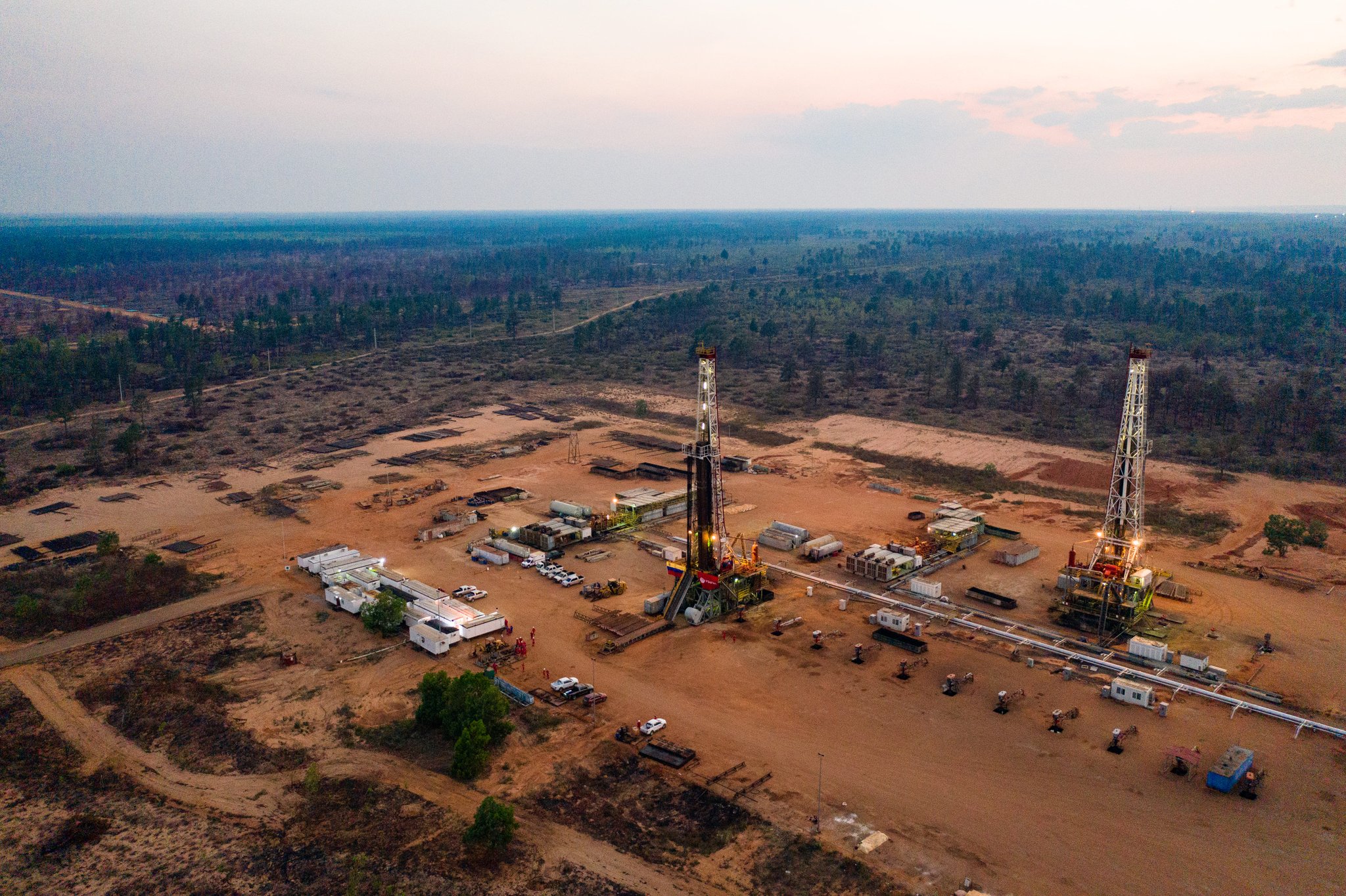
Venezuela’s oil production, once near 3.2 million barrels per day (MMb/d), is now around 988,000 b/d, according to recent reports from OPEC. Chevron contributes around 240,000 b/d at last count and has its eyes on boosting this figure by around 50% over the next 18-24 months.

Importantly, over the course of what is the Chavismo, Chevron’s core assets never fully shut down under the pressure of asset expropriations, then later US sanctions; allowing minimal maintenance spending to preserve to some extent key infrastructure. That gives the Houston-based company a relatively low-cost, low-exploration-risk platform for incremental growth in a country where the geological risk is essentially zero, but the above-ground risk remains significant.

ANALYSIS: CHEVRON’S VENEZUELA PIVOT; DOUBLING DOWN ON HEAVY OIL, DEFERRING GAS 

In this context, the asset swap — described by Chevron as a “mutually beneficial agreement” that consolidates the focus on “strategic assets” — is effectively a reweighing toward oil barrels that can be monetized this decade. 

Despite global narratives that natural gas will be the main transition fuel through 2030–2050, Venezuelan gas projects face long timelines, high above‑ground risk and uncertain offtake or an over-reliance on Trinidad and Tobago and Atlantic LNG or the small-twin island nations ammonia or methanol sectors.

Quick takeaway

For IOCs and investors, the signal is clear: even in a transition-focused world, capital flows first to “advantaged barrels” (think Guyana’s prolific Stabroek block and ExxonMobil; Hess, now Chevron; and CNOOC) — assets with existing infrastructure, low exploration risk and visible payback. 

For Venezuelan policymakers and PDVSA, Chevron’s pivot offers both upside and warning. 

It supports near-term oil recovery and revenues but also highlights that partial legal tweaks (Hydrocarbons Law) are insufficient to truly de-risk large-scale gas investment even if foreign investors can take up to an 100% stake in gas projects. Until contract stability and credible, enforceable terms are again in place (in both the Venezuelan oil and gas spaces), gas will remain a deferred opportunity, and oil will continue to be Venezuela’s most realistic, most eyed, most chosen engine for immediate incremental foreign investment and near-term export growth.

____________________

By Pietro D. Pitts reporting from Houston. © 1999-2026 Energy Analytics Institute (EAI). All Rights Reserved.