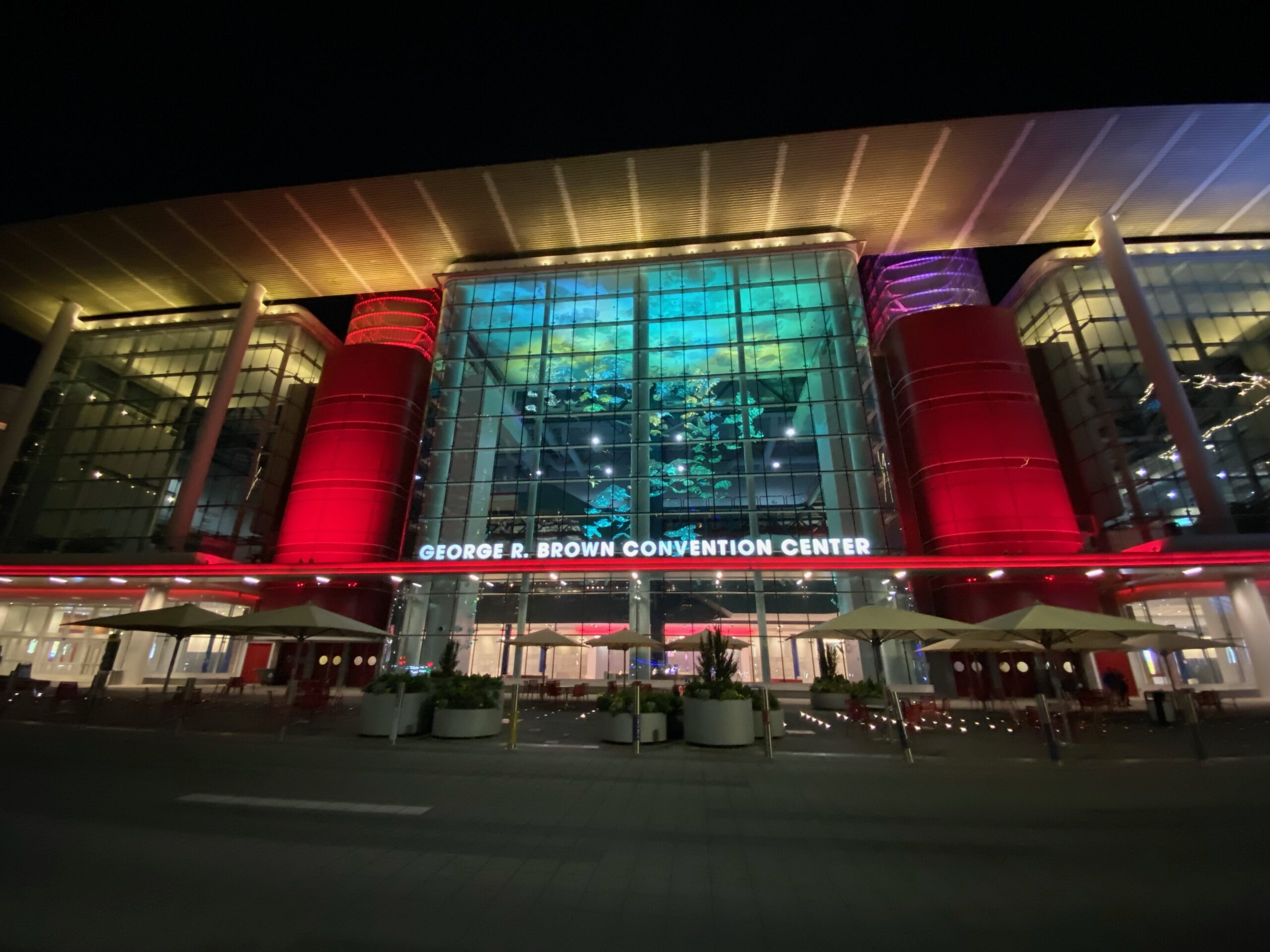
HOUSTON, TEXAS (By Sharon Kimathi, Reuters, 24.Mar.2026, Words: 1,082) — Hello! I can’t believe it’s already CERAWeek. It’s one of the biggest annual energy conferences that takes place in Houston, Texas.
The conference, organized by S&P Global, draws oil, gas and power company executives from around the world.
It’s been off to a dramatic start as one of its usual headline speakers, Amin Nasser, Saudi Aramco’s Chief Executive, cancelled his planned appearance because of the conflict in the Middle East.
RELATED: BORR DRILLING ACQUIRES 5 PREMIUM JACK-UP RIGS THROUGH NEW JV
And roughly 300 protesters chanted “we need clean air, not another billionaire! ” outside a hotel in Houston where the conference is taking place.
Before we get into it, here are some social and governance stories linked to the U.S.-Israeli war against Iran that are on my radar:
In Africa, the cost of jet fuel is changing faster than you can fly
Governments worldwide shield households from rising energy costs
Brewers in India warn of shortages as Iran war hits glass bottle, can makers
Bahrain pushes UN-backed action for Hormuz shipping; France tables rival text
Need for diversity in energy
So, what are the CERAWeek highlights so far?
Well, aside from the protests led by members of 45 organizations from across the United States against Big Oil, some CEOs have been talking about diversity.
RELATED: SHEINBAUM TAKES AIM AT ZERO TARIFFS DURING USMCA NEGOTIATIONS
Jack Fusco, CEO of Cheniere Energy, the nation’s largest U.S. liquefied natural gas exporter, said that the situation in the Middle East shows the need for diversity in energy supplies.
Cheniere has been running its plant above its stated maximum capacity and is unable to produce any more LNG until new production facilities come online later this year.
LNG has taken quite the hit from the conflict. Click here to check out this comment by my colleague Gavin Maguire who writes about how global gas supply chains have had fewer rerouting options and less storage capacity than the oil market, making the fallout for gas consumers considerably more acute.
Conflicting views
As for oil, U.S. Energy Secretary Chris Wright spoke at the conference, stating that the price of oil had not risen high enough to hurt demand.
Some of the world’s top oil executives and energy ministers expressed growing concern over the long-term effects of the U.S.-Israeli war with Iran on the global economy.
RELATED: PEMEX BOOSTS CAPABILITIES THROUGH JOINT DEVELOPMENT CONTRACTS
Shortly after Wright spoke, Sultan Al Jaber, CEO of Abu Dhabi’s state oil company ADNOC, warned the jump in oil prices was slowing economic growth globally.
“This is raising the cost of living for those who can least afford it and slowing economic growth everywhere. From factories to farms to families around the world, the human cost is mounting by the day,” Al Jaber said.
Other executives have been turning their backs away from wind and solar. The U.S. and French energy major TotalEnergies said they would redirect nearly $1 billion from offshore wind leases to U.S. oil and natural gas production.
Additionally, dozens of investors have been scouting investment opportunities to plumb Venezuela’s huge crude oil reserves, with Venezuelan opposition leader and Nobel Peace Prize winner Maria Corina Machado expected to address attendees this afternoon.
Asia making a sustainable switch
While executives in the U.S. back the shift towards more fossil fuels, investors in Asia are pressing for more renewable energy.
Investors are rushing into Chinese renewable stocks, betting the oil shock triggered by the Iran war will boost global demand for green energy, a sector China dominates.
“When you take a step back, the dust settles or the price of oil starts to come back down, whatever that may be … countries now need to focus on energy security,” Aaron Costello, head of Asia at Cambridge Associates, told a conference in Hong Kong on Monday.
“They need to further build out their renewables, build out their energy grids, maybe more nuclear power, more focus on defence. The U.S. has become, if not unreliable, certainly more erratic.”
Since the U.S.-Israeli war against Iran erupted on February 28, money has been moving into Chinese stocks in areas ranging from solar and wind energy to electric vehicles and batteries.
Talking Points
- Mexico oil spill: Mexico’s President Claudia Sheinbaum said the government was investigating an oil spill which may have originated from an oil tanker off Tabasco. The spill has affected 230 km (143 miles) of shoreline and 39 communities in the two states, according to the Gulf of Mexico Reef Corridor Network, a coalition of fishing, Indigenous and environmental groups.
- Cuba power: Cuba had restored power to nearly half of the capital Havana less than a day after the national grid collapsed amid a U.S. oil blockade that has strained the island’s energy system. Life carried on as normal across most of Havana despite the ongoing blackouts, which have become a regular part of the daily routine in the capital even when the national grid is operational.
- Europe wildfires: Europe is dangerously unprepared to tackle a growing wildfire crisis, according to a report by Portugal-based Avincis, which leases firefighting planes and helicopters. The report recommends that countries should overhaul fleets of firefighting aircraft and step up investment. Concerns about the bloc’s readiness to deal with wildfires were echoed by independent EU advisers last month.
- U.S. wildfires: Massive wildfires have burned vast swaths of grazing lands in Nebraska, state and industry officials said. The fires have endangered cattle producers’ plans for production increases in the second-biggest cattle-producing state and has burned nearly 775,000 acres since last week, according to the Nebraska Emergency Management Agency.
- UN heat report: The years between 2015 and 2025 have been the hottest since records began, according to the United Nations weather agency, the World Meteorological Organization. Last year was either the second or third hottest on record, the WMO State of the Global Climate report said, at about 1.43 degrees Celsius above the pre-industrial average.
ESG Spotlight
Today’s spotlight shines a light on resilience and the upcoming FIFA World Cup as migrant communities in Mexico are playing their own football (I am British, so it’s football not ‘soccer’) tournament as they assess whether to journey north, return home, or settle in the Latin American country.
“Sport is a tool for change, a tool for peace. It helps us build community, it helps us connect,” said Perla Acosta, director of the civil association Más Sueños, which is responsible for the program’s technical implementation.
RELATED: VENEZUELA EYES THERMAL DRONES TO PROTECT ELECTRIC INFRASTRUCTURE
Locals have occasionally turned hostile towards foreigners, some migrants say, while obstacles to obtaining legal status have grown, pushing people into working in the informal economy where they often face exploitation.
____________________
Today’s Sustainable Switch was edited by Emelia Sithole-Matarise