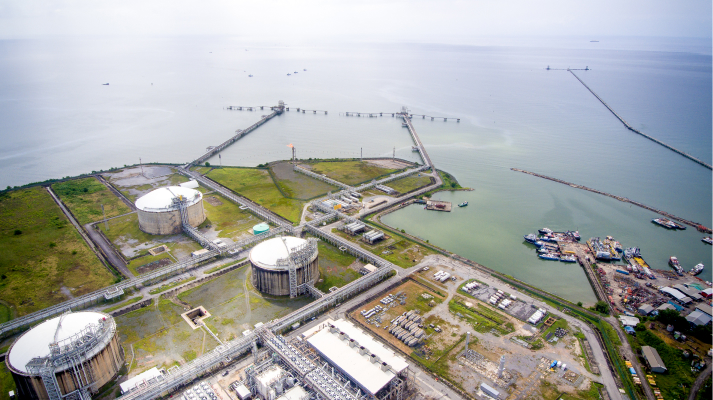
(The Wall Street Journal, Kejal Vyas, 14.Jan.2019) — The U.S. is evaluating whether to impose tougher sanctions against Venezuela’s military and vital oil industry, a senior Trump administration official said Monday, as it seeks to ratchet up pressure on authoritarian leader Nicolás Maduro to hold free and fair elections.
The Trump administration is considering a range of measures including curtailing the flow of Venezuelan oil to the U.S., the official said, in what could be the harshest blow to the country’s money supply. No final decision has been made.
The U.S. has already penalized a host of Venezuelan government heads, its gold sector and has blocked investors from renegotiating Caracas’s defaulted debt. The U.S. administration has held off on more draconian efforts like an oil embargo, weighing the humanitarian cost for economically devastated Venezuela, which depends almost entirely on crude exports. The U.S. also has been analyzing any potential harm to American businesses that buy Venezuelan crude.
Now, however, the Trump administration aims to up the ante after Mr. Maduro last week defied international calls to resign and was sworn in for a new six-year term following a May re-election that some 60 countries deemed fraudulent.
“Until now, we have been going around the edges,“ the official told The Wall Street Journal. “Now it’s a new dynamic. We are no longer going to be tinkering along the edges. Nowadays, everything will be put on the table.”
State energy giant Petróleos de Venezuela SA and Venezuela’s Information Ministry didn’t immediately respond to a request for comment. Mr. Maduro, in an annual address Monday, showed no signs of backing down.
“You just sit right back down with your sanctions,” Mr. Maduro said, urging foreign investors to snub U.S. sanctions. “I’m going to be ruling for six more years. Join me, businessmen and women! They say the socialist government is an enemy of private companies, oh please!”
PdVSA, as the national energy monopoly is known, is in the crosshairs. Once one of the world’s pre-eminent oil companies, PdVSA has been left in ruins during two decades of Socialist Party rule. Rampant corruption has emptied coffers leaving little for oil field investments while technicians have been quitting to flee punishing rates of crime, hunger and hyperinflation.
For a little more than a year, PdVSA has been managed by a former National Guard general, Manuel Quevedo. The military, which has helped Mr. Maduro thwart political challenges with violent repression, has increasingly become a major player in oil matters after Mr. Maduro last year ordered a purge of the technocrats that had long dominated PdVSA’s upper echelon.
“This is not a company with rules and checks and balances. It’s a slush fund of the Maduro administration,” the senior Trump administration official said.
Despite years of anti-U.S. rhetoric, Venezuela still ships about half of its oil production to the U.S., according to U.S. Energy Information Administration data. OPEC figures show oil output has fallen nearly by half since Mr. Maduro took office in 2013 to about 1.2 million barrels a day.
The shipments to the U.S. are virtually the only source of cash for Caracas since much of the rest of its crude is used to repay debts with its strategic allies like China, Cuba and Russia.
Finding other buyers would be difficult for Venezuela, which largely produces heavy crude that is costlier to process and requires specialized refineries. While other cash-paying customers like India have expressed interest in boosting purchases in recent years, Caracas has struggled with increased transport costs and has often had little to send amid plummeting output.
“Ultimately, we have all of the leverage there,” the Trump administration official said.
With much of the country deeming Mr. Maduro’s leadership illegitimate, the U.S., the European Union and a host of countries across the Americas have urged him to cede power to the National Assembly. The legislature is controlled by the political opposition and Mr. Maduro’s aides in recent days have threatened those rivals with imprisonment as they campaign for a transition of power and new elections.
The U.S. has said it supports that transition and is promising punitive action against members of Venezuela’s security services engaging in crackdowns on dissent.
“Those issuing threats will face consequences,” the U.S. official said. “The international community is watching closely and taking first and last names.”
Write to Kejal Vyas at kejal.vyas@wsj.com
***